Arabic: A Handwritten Font That Elevates Digital Branding and Campaign Visuals
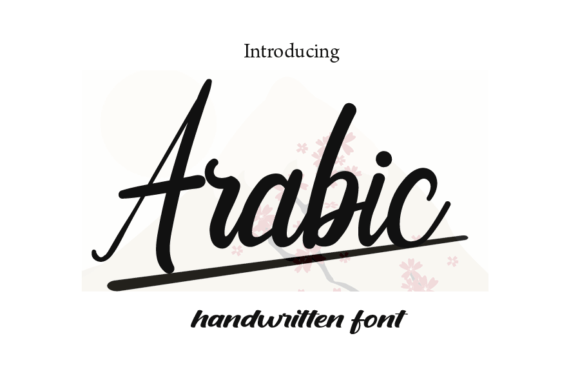
Arabic is more than a font — it’s a visual storytelling tool for marketers and designers looking to inject personality into digital content. This classic, free-flowing script mimics natural handwriting, offering a warm, approachable aesthetic that resonates across social media, email campaigns, and brand assets. Whether you're crafting a promotional graphic for Instagram or designing a branded YouTube thumbnail, Arabic delivers a distinctive yet readable typographic voice.
Why Arabic Stands Out in Modern Marketing Design
The appeal of Arabic lies in its simplicity and organic flow. Unlike rigid, machine-like typefaces, this script font feels human — a quality that enhances audience connection. It's ideal for headlines, logotypes, and short-form text where emotional resonance matters. Its irregular strokes and soft curves make it feel personal, which is especially effective in campaigns focused on authenticity, lifestyle branding, or artisanal aesthetics.
Marketers can use Arabic to break through the noise of fast-scrolling feeds. When used strategically, it commands attention without overwhelming the viewer. Its legibility at a glance ensures that key messages — like limited-time offers or product launches — are absorbed quickly, even on mobile screens.
How to Use Arabic Across Digital Campaigns
- Social media graphics: Use Arabic for Instagram stories, reels covers, and Pinterest pins to add a handcrafted touch that feels exclusive and personal.
- YouTube thumbnails: Pair Arabic with bold colors and contrasting fonts to create thumbnails that stand out and communicate content tone at a glance.
- Email headers: Add a humanized feel to email campaigns with Arabic headlines that draw the eye before the reader scrolls further.
- Web banners and landing pages: Integrate Arabic into hero sections to guide attention toward value propositions or call-to-action buttons.
For seasonal promotions or product teasers, Arabic works well in overlay text on lifestyle imagery, giving a sense of movement and spontaneity. A sale announcement like “Limited Stock — Grab Yours Now” gains emotional weight when styled in a flowing script like Arabic, making the message feel urgent and personable.
Creating Visual Hierarchy with Arabic
While Arabic shines in headlines and callouts, its impact is maximized when used in tandem with supporting fonts. For example, pairing Arabic with a clean sans serif font like Helvetica or Montserrat creates a balanced contrast between expressive headlines and crisp body text. This technique is especially effective in web design, landing pages, and digital ads where clarity and visual rhythm are essential.
For editorial-style layouts or brand storytelling posts, Arabic can be paired with a serif font to evoke a timeless, curated aesthetic. This combination works well for content creators, bloggers, and brand managers aiming to maintain a consistent visual language across platforms.
Readability Tips for Mobile and Fast-Scrolling Feeds
Because Arabic is a script font, it’s best reserved for short, impactful phrases rather than long paragraphs. On mobile screens, where attention spans are fleeting, using Arabic in large, bold formats ensures legibility even in preview sizes or thumbnails.
Designers should also consider spacing and contrast. Avoid using Arabic on busy backgrounds without a clear backdrop or stroke effect, as this can reduce readability. When used over light textures or neutral tones, Arabic remains crisp and visually engaging.
Brand Recognition and Consistency with Arabic
In brand identity systems, Arabic can serve as a signature element — especially in logo marks, social media handles, and packaging design. Its unique strokes make it instantly recognizable, reinforcing brand recall across digital and print assets.
For personal brands and influencers, Arabic adds a custom feel to profile graphics, highlight covers, and branded templates. It supports a cohesive visual narrative that feels intentional yet effortless, which is key in today’s content-saturated digital landscape.
When to Use Arabic for Maximum Impact
Arabic performs best in high-visibility, short-form applications such as:
- Headlines and subheadings
- Logo typography and brand marks
- Social media captions and quote graphics
- Product packaging and apparel design
- Promo banners and digital ads
It’s especially effective in lifestyle, fashion, wellness, and creative industries where organic, expressive typography aligns with brand values. Whether announcing a new product line or sharing motivational content, Arabic adds a layer of sophistication without sacrificing approachability.
Font Pairing Strategies for Professional Results
Successful use of Arabic often depends on thoughtful font pairing. As a display font, it works best when supported by a more neutral typeface. Consider these combinations:
- Arabic + Montserrat: Clean, modern, and highly readable for digital banners and email headers.
- Arabic + Playfair Display: Elegant and editorial, perfect for fashion blogs or luxury brand campaigns.
- Arabic + Open Sans: A versatile duo for landing pages and mobile ads where clarity meets character.
These pairings help maintain visual consistency while allowing Arabic to stand out as the expressive centerpiece of the design.
Commercial Use and Licensing Considerations
As with any premium font, it’s important to review the licensing terms before using Arabic in commercial projects. Most script fonts, including Arabic, require a commercial license for use in ads, branded templates, merchandise, and client work. Always verify that the font is cleared for the intended use to avoid legal issues down the line.
Many designers overlook font licensing, especially in fast-paced content creation environments. Taking a moment to confirm permissions ensures that your creative assets remain compliant and professional.