T-shirt Font: A Whimsical Typeface for Business Branding
As a small business owner, I’ve learned that every detail matters when building a brand. From packaging to social media, the fonts we choose shape how customers see us. That’s why I was excited to discover T-shirt, a fun and friendly handwritten font that adds personality without sacrificing professionalism. It’s the kind of typeface that feels approachable yet polished—perfect for businesses that want to stand out while staying credible.
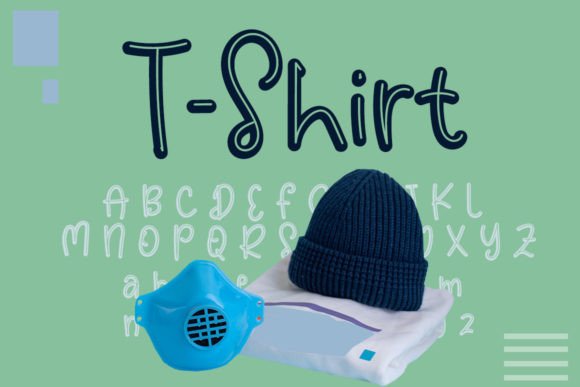
T-shirt falls under the Script Amp category, blending whimsy with structure. Its soft curves and playful rhythm give it a unique charm, making it ideal for brands that want to feel warm and creative. Whether you're designing a logo, packaging, or Instagram post, this font brings a human touch that resonates with customers.
Why Font Choice Matters for Small Businesses
Your brand’s visual identity isn’t just about colors and logos—it’s also about typography. The right font can make your business look more consistent, recognizable, and trustworthy. A poorly chosen typeface, on the other hand, can confuse your audience or make your materials look amateurish.
That’s where T-shirt comes in. It’s not just a decorative font; it’s a practical tool for branding. When used thoughtfully, it can unify your visual assets and help customers remember your business. Whether you’re a boutique owner, a café founder, or an online seller of handmade products, this font can elevate your brand in a way that feels genuine and professional.
Real-World Uses for T-shirt in Branding
I’ve used T-shirt across several areas of my own business, and it’s made a noticeable difference. Here are some of the most effective ways to use it:
- Logo design – It adds a personal, hand-crafted feel that works well for small businesses.
- Packaging design – Great for product labels, thank-you cards, and custom stickers.
- Social media graphics – Perfect for Instagram stories, Pinterest pins, and Facebook posts.
- Website banners – Adds a warm, inviting tone to landing pages and hero sections.
- Printed materials – Works well on menus, flyers, and business cards.
For example, a local bakery used T-shirt in their logo and cupcake wrappers, and customers immediately associated the font with their friendly, homemade vibe. A candle maker used it on product labels and saw more engagement on Instagram because the font stood out in thumbnails.
When to Use T-shirt as a Display or Accent Font
T-shirt is best used as a headline, logo, or accent font rather than for long blocks of text. It’s designed to catch attention, not to be read for extended periods. That makes it perfect for headlines, taglines, and short phrases that need to pop.
If you’re designing a café menu, use it for section headers like “Daily Specials” but pair it with a clean sans serif font for body text. If you’re creating a website banner, let T-shirt shine in the main headline while using a more readable typeface for supporting copy.
Readability Across Different Business Materials
One thing I always test before committing to a font is readability. T-shirt holds up well in most contexts, but there are a few things to keep in mind:
- On small labels, make sure the text isn’t too tight—give it space to breathe.
- On mobile screens, avoid using it in very small sizes where letterforms might blur together.
- For printed packaging, test the font in different colors and backgrounds to ensure legibility.
- In social media thumbnails, use it for short, bold phrases rather than long captions.
Before launching a full rebrand, I always print a sample or create a digital mockup to see how the font looks in real life. It helps avoid surprises and ensures consistency across platforms.
Simple Font Pairing Ideas with T-shirt
One of the best ways to make T-shirt feel more professional is by pairing it with a clean, readable font. Think of it as the star of the show with a strong supporting cast. Here are some effective combinations:
- Pair with a modern sans serif – Great for balancing playfulness with clarity in web design and marketing materials.
- Pair with a classic serif – Adds elegance and contrast, especially for wedding-related businesses or luxury product packaging.
- Use with a minimalist monospace font – Gives a modern twist for tech startups or creative agencies.
When I updated my product packaging, I used T-shirt for the product name and a simple sans serif font for the description. It made the label feel both fun and functional, which is exactly the vibe my brand aims for.
Check Commercial Font Licensing Before Use
Before you start using T-shirt in your business materials, make sure you have the right license. Many fonts are free for personal use but require a commercial license for business applications like product packaging, merchandise, digital downloads, or client work.
I always double-check the licensing terms to avoid any legal issues down the line. Most font providers offer clear licensing options, so it’s worth investing in a premium font that gives you full rights to use it across your brand assets.
Final Thoughts on Using T-shirt for Branding
If you’re looking for a font that brings personality without compromising professionalism, T-shirt is a smart choice. It’s a versatile script font that works across a wide range of industries—from food and beverage to beauty, retail, and creative services.
By using it thoughtfully in your logo, packaging, social media, and marketing materials, you can create a cohesive brand identity that feels authentic and memorable. Just remember to test it in different formats, pair it with readable fonts, and confirm your licensing before launching your designs.